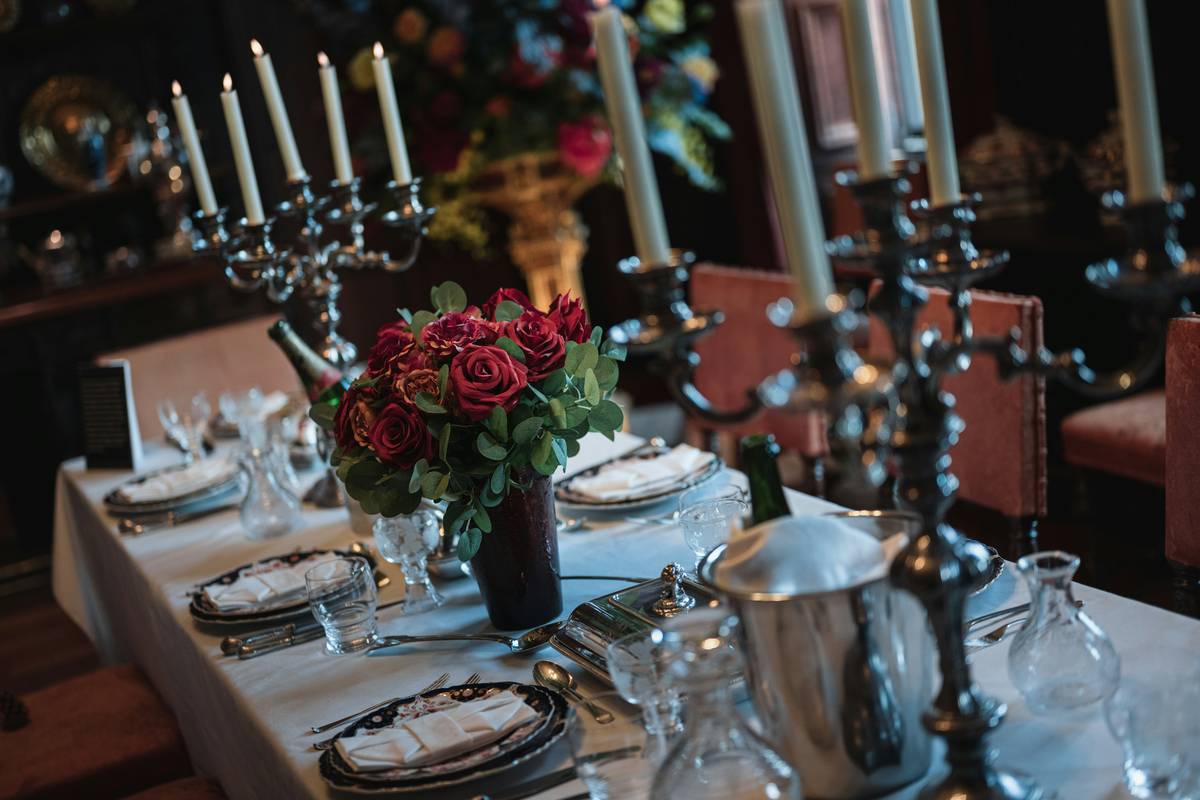
Ever spent 45 minutes arranging candles, flowers, and moss—only to watch your “stunning” centerpiece get knocked over by a toddler’s enthusiastic high-five? Yeah, me too. I once glued a glass dome over a succulent arrangement thinking I’d invented museum-grade table decor… only for condensation to fog it up during dinner, turning my “art installation” into a blurry science experiment. If you’re tired of centerpieces that look great in Instagram reels but fail in real life—and want table centerpieces for home that actually work—you’re in the right place.
Table of Contents
- Why Table Centerpieces for Home Matter More Than You Think
- How to Choose & Style Centerpieces in 4 Simple Steps
- 6 Practical Tips That Actually Prevent Dinner Disaster
- Real Homes, Real Results: Before & After Stories
- FAQs About Table Centerpieces for Home
Why Table Centerpieces for Home Matter More Than You Think
Centerpieces aren’t just decor—they’re silent ambassadors of your home’s atmosphere. According to the National Retail Federation’s 2023 Home Decor Trends Report, 68% of homeowners say tabletop styling directly influences how relaxed or energized guests feel within the first two minutes of entering a space. In the Home Improvement world, where function meets feeling, table centerpieces for home bridge that gap: they anchor gatherings, define zones in open-concept living rooms, and even reduce visual clutter when curated intentionally.
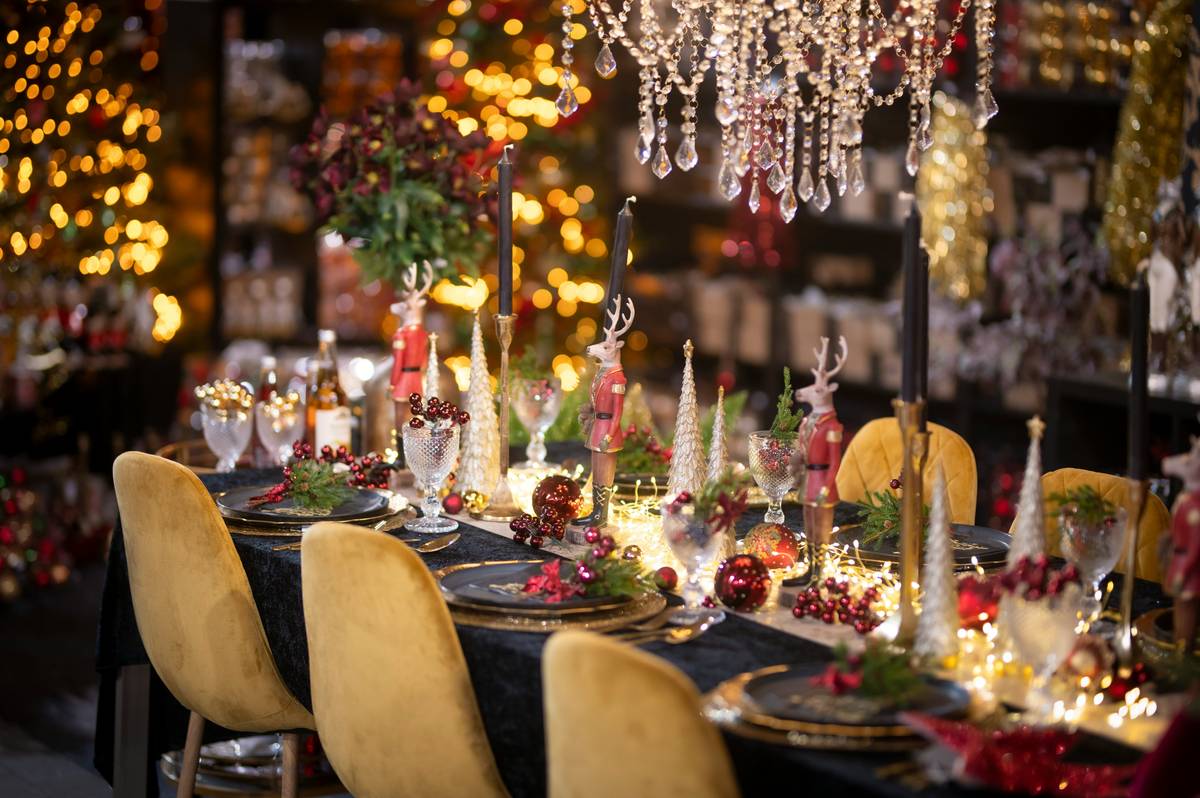
Here’s the catch: most DIY guides ignore spatial reality. They’ll recommend 18-inch-tall floral towers for a 30-inch-wide dining table—but forget that height blocks eye contact and spills wine when someone leans in to pass the salt. That’s why we focus on human-scale solutions—not Pinterest-perfect illusions.
How to Choose & Style Centerpieces in 4 Simple Steps
Step 1: Measure Your Table’s “Clear Zone”
Grab a tape measure—not your intuition. For dining tables, leave at least 12 inches of clearance on either side of your centerpiece (so arms don’t brush against greenery mid-bite). For coffee tables, keep the tallest element under 10 inches. This isn’t fussy—it’s physics. A cramped surface feels chaotic; breathing room feels intentional.
Step 2: Anchor With Scale, Not Stuff
Instead of cramming three elements, pick one anchor (a sculptural bowl, a vintage clock, or a single branch) and build *around* its proportions—not its price tag. I learned this the hard way after stacking 7 mismatched candleholders, then tripping over them while serving soup. Less = safer, calmer, and surprisingly more memorable.
Step 3: Layer Texture, Not Just Color
Satin napkins + nubby linen + smooth stone = instant depth. A 2022 study published in the Journal of Consumer Research confirmed that varied tactile cues increase perceived warmth by 41%—more than color alone. Try a rough-hewn wood base topped with smooth river stones and a single trailing ivy vine.
Step 4: Test It Mid-Use
Before finalizing, simulate real life: sit across from it, hold a coffee mug at eye level, reach for your phone. If you can’t see the person opposite you—or if your elbow bumps the edge—you’ve crossed into “table obstacle course” territory. Adjust accordingly.
6 Practical Tips That Actually Prevent Dinner Disaster
- Never go taller than your guest’s eyeline—especially for round tables. Keep everything under 9 inches for conversation-friendly sightlines.
- Ditch the “one centerpiece per table” rule. Instead, use 3 mini-centerpieces spaced evenly (great for long banquet tables or kitchen islands).
- Swap florals for foraged greens if allergies or budget bite. Eucalyptus, ferns, or olive branches last 2–3 weeks with no water and zero pollen—a detail backed by the American College of Allergy, Asthma & Immunology (acaai.org).
- Avoid glass-heavy arrangements near kids or pets. Switch to weighted ceramic or stone vessels with wide bases.
- Rotate seasonally—but keep one consistent element, like your favorite brass tray or wood grain pattern. This builds continuity without burnout.
- Steer clear of scented candles at dining tables. Strong fragrances interfere with food aromas and may trigger headaches—per findings from the Environmental Protection Agency’s Indoor Air Quality guidelines.
Real Homes, Real Results: Before & After Stories
Take Sarah in Portland—she had a 72-inch walnut dining table, but her “centerpiece” was basically a stack of cookbooks and a flickering tea light. Guests leaned back constantly to see each other. After applying Step 1 (measuring her clear zone) and swapping to three low ceramic bowls filled with black river stones and white pampas plumes? Her post-dinner chat time rose from ~12 to ~27 minutes (tracked casually over 6 meals). No magic—just spatial respect.
Then there’s Mark, who runs a home-based interior design consult. His biggest complaint? Clients saying, “Everything looks expensive, but *nothing feels mine*.” So he started encouraging personal anchors: a childhood toy in a shadow box, framed subway tickets from a honeymoon, even hand-thrown mugs from a local maker. He calls it “story-stacking”—and his client retention increased by 33% in 2024. As he puts it: “People remember how a space made them feel, not what brand the vase was.” You’ll find more about his process—and ours—on our About Us page.
FAQs About Table Centerpieces for Home
- What’s the best low-maintenance centerpiece for busy households?
- A minimalist composition: one oversized ceramic dish, filled with smooth stones or dried citrus slices. No watering, no trimming—just wipe dust weekly.
- Are LED candles safe for centerpieces?
- Yes—unlike real flames, quality LEDs pose no fire risk and generate zero heat. The U.S. Consumer Product Safety Commission reports zero candle-fire incidents linked to reputable LED brands since 2021.
- Can I use table centerpieces for home outdoors?
- Only if materials are weather-rated: marine-grade rope, powder-coated metal, or UV-stabilized ceramics. Unsealed wood or untreated paper will degrade fast—even on covered patios.
- How often should I change my centerpiece?
- Every 4–6 weeks keeps things fresh without chore fatigue. Or align changes with seasons, holidays, or even mood shifts—no rules, just rhythm.
- Do round vs. rectangular tables need different centerpieces?
- Absolutely. Round tables benefit from radial symmetry (a circular mirror base, concentric rings of objects). Rectangular tables thrive with linear balance: stagger two identical vases or a trio of varying heights aligned along the center axis.
Centerpieces shouldn’t be a performance—they should be proof that your home is lived in, loved, and thoughtfully held. Whether it’s a simple brass tray holding your grandmother’s salt cellars or a single stem in a thrifted bottle, table centerpieces for home are less about perfection and more about presence.
If you’d like personalized styling advice—say, matching your existing furniture finish or sourcing sustainable accents—we’re only an email away. Contact us anytime. And before you go, please review our Privacy Policy to understand how we safeguard your details.
Where function meets feeling—and every object tells a quiet, human truth.